When Preparedness Matters: The Winter Car Kit
Safety first: This is general safety information, not professional advice. Follow your vehicle and equipment manufacturer’s instructions, local fire and building codes, and your gas or power utility’s guidance. Read our disclaimer.
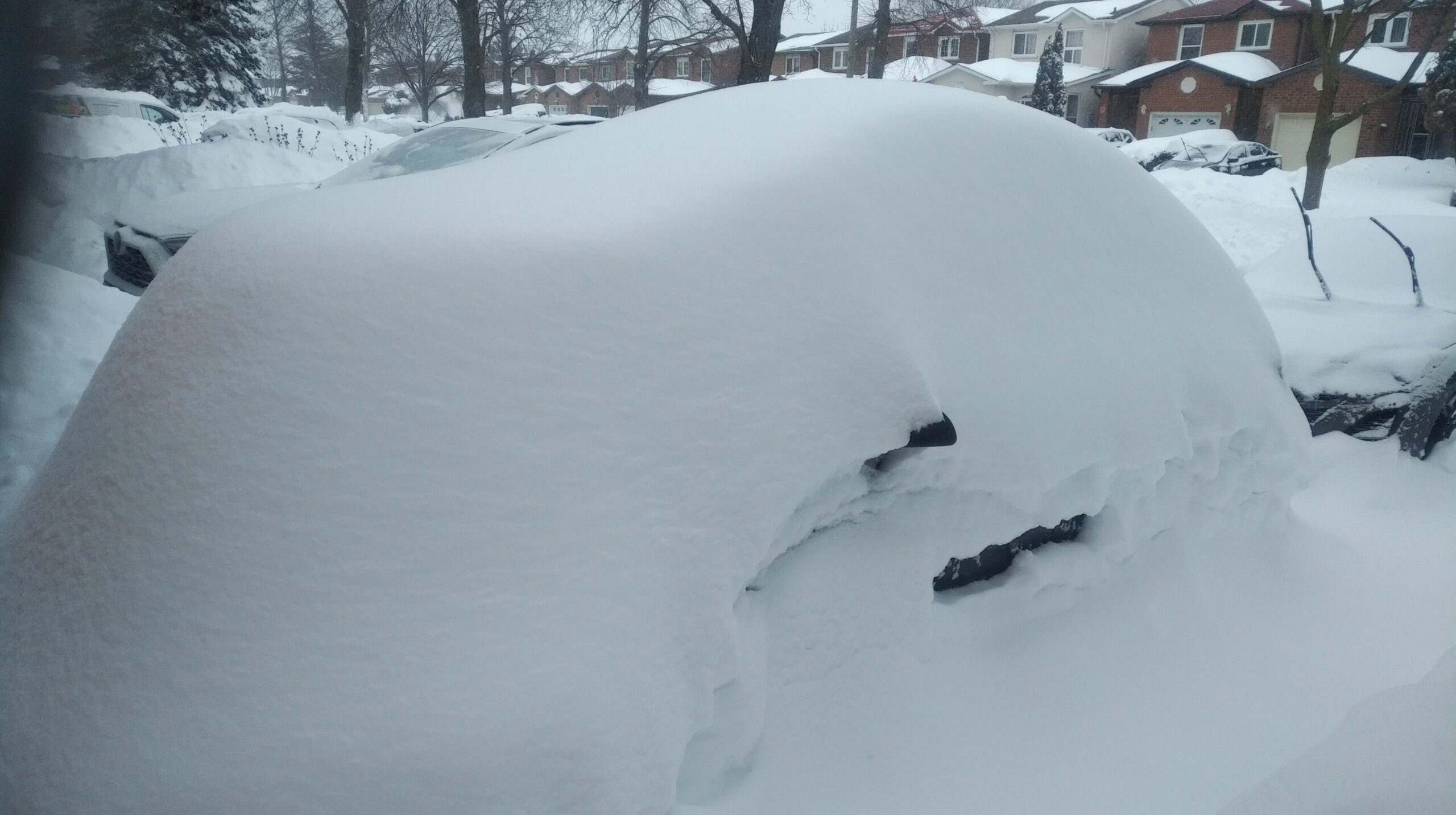
It’s a gray afternoon in late December. Snow started an hour ago, light at first, and now the road ahead has slowed to a crawl. Brake lights glow in a long line, and nobody is moving.
You turn the radio low and reach into the back seat. There’s the bag you packed in October: a wool hat, a blanket, a thermos-sized bottle of water, a couple of granola bars. You pull the blanket over your lap and settle in. It’s going to be a slow drive home, but a calm one.
Here’s how to build that bag, one small piece at a time.
1. Start With the Car Bag You Already Have
If you packed a car bag for flat tires, you’re most of the way there. Winter just asks for a few more layers. If you haven’t started one, any sturdy tote or box that fits in the trunk works. Gather from around the house first; most of what you need is already in a closet.
2. Add Warmth
Being stuck is mostly about staying warm while you wait. Add:
- A wool or fleece blanket for each seat you usually fill
- A hat, gloves, and a scarf, even if they’re old ones
- A spare pair of thick socks, kept dry in a zip-top bag
- Hand warmers, if you already have some
- Sturdy boots or shoes you could walk in, if you drive in dress shoes
Dry socks and a hat do more than you’d expect.
3. Add Water and Food That Keeps
Pack water in food-grade containers. Plan on at least 1 gallon per person per day, and start with what fits, even a few bottles. Add a few snacks that won’t spoil or freeze into bricks: granola bars, crackers, nuts, dried fruit. Swap them out when the clocks change so they stay fresh. If you travel with kids or a pet, add something for them too.
4. Add Tools for Snow and Ice
- An ice scraper and a snow brush
- A small shovel, if it fits
- A bag of sand or cat litter for traction under the tires
- A flashlight or headlamp, with batteries stored beside it, not inside
- A phone charging cable that fits your car
- Something bright, like a reflective vest or a colored cloth to tie on the antenna
Batteries add up in cost over a long winter, so check them each season rather than buying new every trip.
5. If You Get Stuck
Most of the time, staying with the car is the calmer choice. It’s shelter, and it’s easier to find than a person walking. A few habits keep that wait safe:
- Keep the tailpipe clear. If snow is piling up, check that the exhaust pipe isn’t blocked before running the engine. A blocked tailpipe can push carbon monoxide into the car. You can’t see or smell it. If you can’t keep the tailpipe clear, leave the engine off.
- Run the engine in short stretches. Warm the car for a while, then shut it off, and crack a window slightly on the side away from the wind while it runs.
- Bundle up first. Layers and blankets before the heater. Warm people, not a warm car.
- Be easy to see. Turn on your dome light at night when the engine is running, and tie your bright cloth where others can spot it.
- Move a little. Wiggle toes, clap hands, and stretch to keep blood moving.
6. Keep the Tank Half Full
From fall through spring, try to refill when the gauge reaches half. It’s a small habit that gives you room to wait out a slow road, and it means one less thing to worry about when the forecast turns.
This Week’s Small Step
Pick one: put a blanket and a hat in the trunk, tuck a bottle of water and a few snacks into your car bag, or add an ice scraper and a bag of litter. One thing is enough to make the next snowy drive just a slow ride home.
Want a simple place to start? Grab the free printables on the homepage, get calm, practical notes like this one in The Quiet Post, or find the full outage guides in The Outpost.
If you’re stuck somewhere unsafe, someone is hurt, or you can’t stay warm, call 911 and tell them where you are. Check whether your insurance or phone plan includes roadside assistance and save that number before winter.
General safety information only, not professional advice. Follow your manufacturer’s instructions and local officials, and call 911 in an emergency. Read our disclaimer.